
30-sec preview
2015 · From the album 22 - EP
Comes and Goes
by HYUKOH
The reading
A song about the dulling repetition of loss, and the quiet recognition that growing up just means rehearsing the same goodbyes
02 · Interpretation
HYUKOH's 'Comes and Goes': Growing Up as a Game You Keep Losing
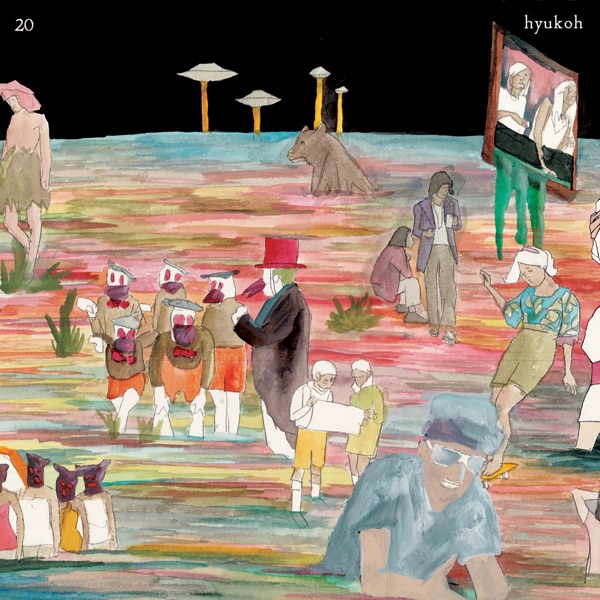
'Comes and Goes' sits in the middle of HYUKOH's '22' EP, released in May 2015, when frontman Oh Hyuk was the age the record is named for. The band had broken into the Korean indie scene the year before with the EP '20', and '22' extended their reputation for songs that sound airy on the surface and bruised underneath. 'Comes and Goes' is one of the bruised ones, though it disguises itself with a loping, almost playful groove.
The opening verses address someone whose departure the narrator has already braced for. He asks them not to say something sad, not to soften their voice, because he already saw it coming: things had finally felt calm, and now they're leaving without looking back. The second verse repeats the structure but turns inward. He had hoped someone was approaching; instead, he has learned to recognize the signs of an exit at a glance. Two stanzas establish the song's central condition: this isn't a first heartbreak, it's a pattern the speaker has stopped resisting.
The English chorus names the pattern as a game. 'We play comes and goes, 'cause we did this when we were child before / 'Cause big boys still play the game all the time.' The grammar is deliberately childlike, and that's the point. Adult relationships, the song suggests, are the same disappearing-and-reappearing routine kids practice with caregivers and friends, just with higher stakes and worse coping mechanisms. The grown-up version is not more sophisticated. It's the same game.
The glow-in-the-dark stars
The second half of the song shifts from the present loss to its childhood blueprint. The narrator describes peeling away spent glow-in-the-dark stars from a ceiling and watching their faint light, the way that dim glow used to make tomorrow worth waiting for. Now it doesn't. Then comes the song's sharpest image: as a child, he used to secretly read his father's diary, and only now does he remember that what was written there were the worries of today, the same adult anxieties he's currently living inside. It's a moment of recognition rather than nostalgia. The speaker has caught up to the version of his father he once spied on, and the discovery isn't tender, it's deflating.
The bridge accepts the dulling. Familiarity numbs things; scenes from the past unspool; even if he met that moment again, it wouldn't feel like now. The line 'Familiarity is a common sense / I feel like I'm not here anymore' reads as the song's thesis stated plainly: when loss becomes routine, presence itself starts to thin out.
The exit
The closing verse widens from one departure to all of them. 'Does everyone leave like that?' he asks, twice. The answer arrives in the same breath: they're already far away on the other side, and no one is coming here, so he'll just go home. There's no protest in it. The song ends on a withdrawal rather than a breakdown, which is more honest to how this kind of grief actually behaves at twenty-two: you don't shout, you just go inside.
Musically, HYUKOH lets the arrangement stay loose and faintly buoyant, which is what gives the song its sting. Oh Hyuk's vocal slurs and slides as if he can't be bothered to enunciate the sadness, and the band keeps the groove tidy underneath. The mismatch between mood and meaning is the band's signature move in this period, and 'Comes and Goes' is one of its cleanest demonstrations.
The song endures, especially among Korean listeners who came of age with HYUKOH, because it captures a very specific threshold: the year you realize your parents weren't withholding adulthood from you, they were just as confused, and the people you love will keep leaving, and you will keep playing the game anyway. It doesn't offer a way out. It just names the game.
Themes catalogued
03 · Lyrics
"Comes and Goes"
그런 슬픈 말을 하지 마요
아마 그럴 줄은 알았는데
이젠 좀 잔잔하다 했었는데
뒤도 돌아보지 않아
그런 마음을 낮추지 마요
저기 다가온다 기대했는데
또 한 편 언젠가는 떠나갈걸
이젠 슬쩍 봐도 알아
And we play comes and goes
'Cause we did this when we were child before
And we play comes and goes
'Cause big boys still play the game all the time
다 쓴 야광별을 떼어냈죠
옅은 빛을 살피고 있으면
내일이 그리 기다려졌는데
이젠 그렇지도 않아
어렸을 때 몰래 훔쳐봤던
아빠의 수첩 같은 일기장엔
오늘의 걱정이 적혀있던 게
이제야 생각나네
And we play comes and goes
'Cause we did this when we were child before
And we play comes and goes
'Cause big boys still play the game all the time
익숙하니 또 무뎌지네요
흘러간 장면이 펼쳐지네요
다시 그 순간을 마주한대도
그땐 또 지금 같진 않겠지
And we play comes and goes
'Cause we did this when we were child before
And we play comes and goes
'Cause big boys still play the game all the time
Familiarity is a common sense
I feel like I'm not here anymore
그냥 다들 안고선 살고 있더라고
다들 그렇게들 떠나나요
다들 그렇게들 떠나나요
이미 저 너머 멀리에 가있네
여기에는 아무도 안 올 테니
그냥 집으로 돌아갈래
Lyrics via Google. Copyright belongs to rights holders.
04 · FAQ
Frequently asked
What does 'comes and goes' mean in the HYUKOH song?
What is the meaning of the line about the father's diary in 'Comes and Goes'?
Why does HYUKOH mention glow-in-the-dark stars in the song?
How does 'Comes and Goes' fit into HYUKOH's '22' EP?
What does 'I feel like I'm not here anymore' mean in the song?
Why does the narrator decide to just go home at the end of 'Comes and Goes'?
Why is 'Comes and Goes' considered one of HYUKOH's signature early songs?
05 · Discography